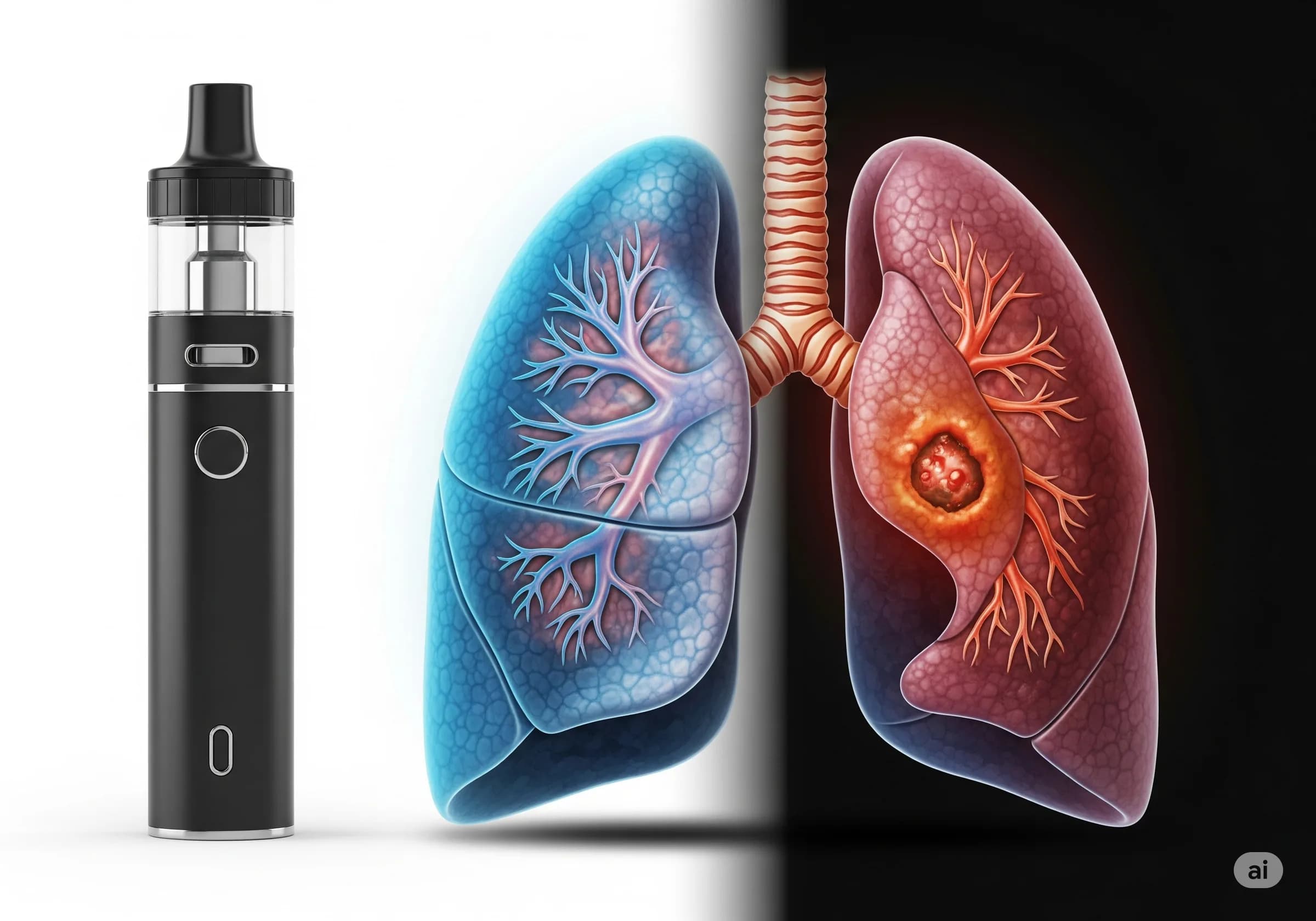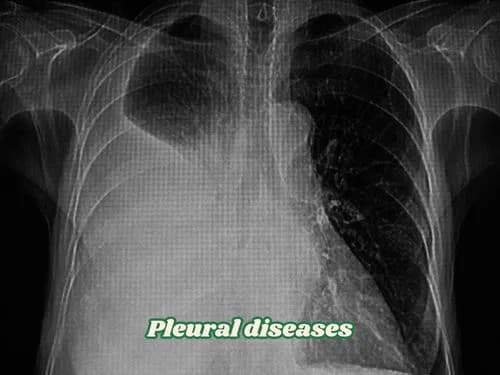
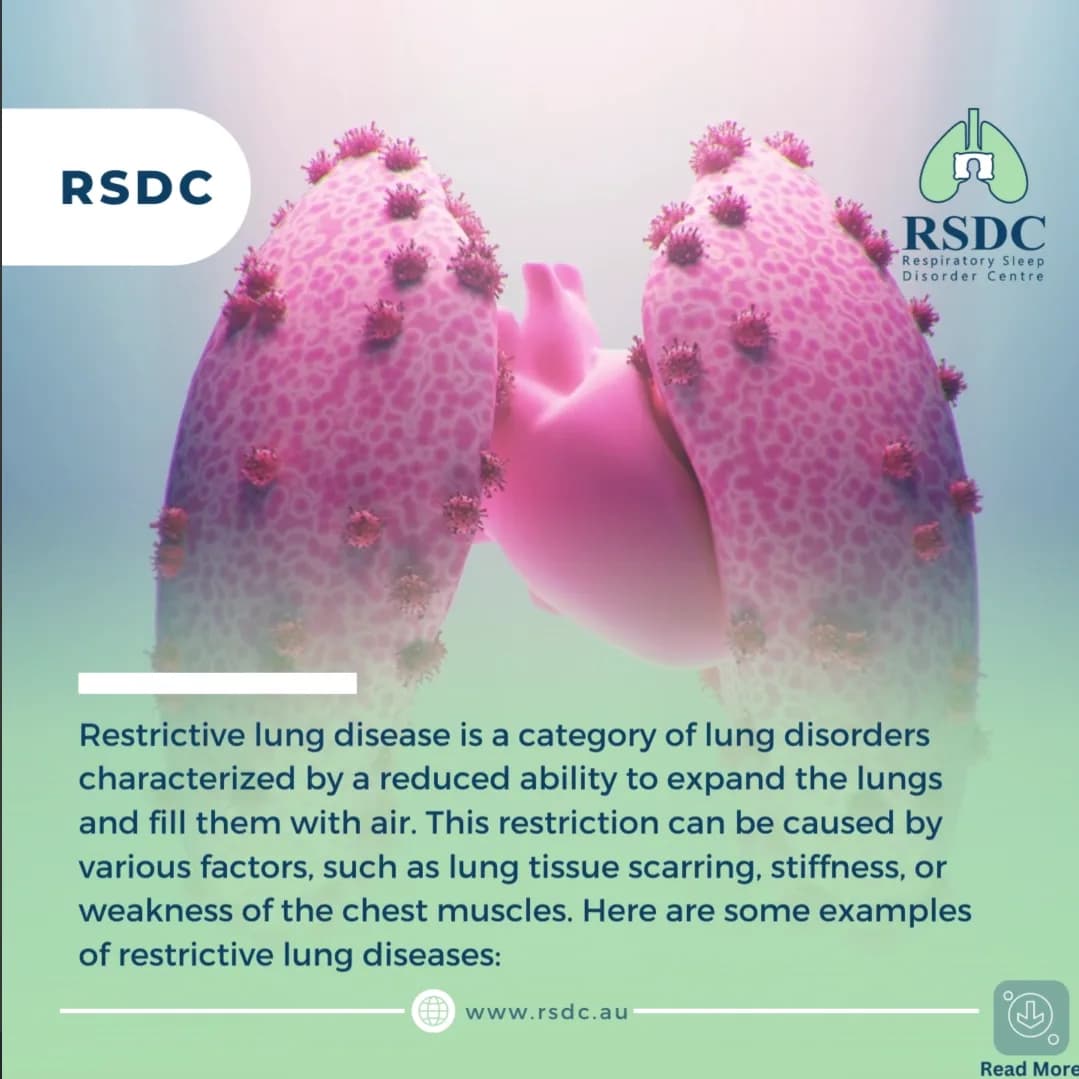
Restrictive lung disease is a category of lung disorders characterized by a reduced ability to expand the lungs and fill them with air. This restriction can be caused by various factors, such as lung tissue scarring, stiffness, or weakness of the chest muscles. Here are some examples of restrictive lung diseases:
- Idiopathic Pulmonary Fibrosis (IPF): IPF is a chronic and progressive lung disease where the lung tissue becomes scarred over time, making it stiff and less elastic. This scarring leads to decreased lung function, impaired oxygen exchange, and difficulty breathing.
- Sarcoidosis: Sarcoidosis is an inflammatory disease that can affect various organs, including the lungs. It causes small clusters of inflammatory cells, called granulomas, to form in the lung tissue, leading to reduced lung capacity and respiratory symptoms.
- Occupational Lung Diseases: Certain occupational exposures can lead to restrictive lung diseases. For instance, exposure to asbestos fibers can cause asbestosis, a condition where the lung tissue becomes scarred due to inhalation of asbestos particles.
- Pneumoconiosis: This is a group of lung diseases caused by the inhalation of mineral dust particles, such as coal dust (coal worker’s pneumoconiosis or black lung disease) or silicate dust (silicosis). The dust particles cause inflammation and scarring in the lungs, leading to restricted lung function.
- Neuromuscular Disorders: Some conditions affecting the nerves and muscles that control breathing can lead to restrictive lung disease. Examples include muscular dystrophy, amyotrophic lateral sclerosis (ALS), and spinal muscular atrophy (SMA).
- Chest Wall Abnormalities: Conditions like kyphosis (abnormal curvature of the spine), scoliosis (sideways curvature of the spine), or ankylosing spondylitis (inflammatory arthritis affecting the spine) can limit the expansion of the chest and reduce lung function.
- Obesity: Severe obesity can exert pressure on the chest and diaphragm, restricting lung expansion and impairing breathing.
- Radiation Fibrosis: Radiation therapy for certain cancers, particularly those involving the chest or lungs, can cause scarring and fibrosis in the lung tissue, leading to restrictive lung disease.
- Interstitial Lung Diseases (ILD): This is a broad group of lung disorders characterized by inflammation and scarring of the interstitial tissue (the tissue surrounding the air sacs in the lungs). Examples of ILD include non-specific interstitial pneumonia (NSIP) and hypersensitivity pneumonitis.
It’s important to note that these examples cover various conditions under the umbrella of restrictive lung diseases, and each may have different underlying causes, symptoms, and treatment approaches. If you suspect you or someone you know may have a restrictive lung disease, it is crucial to seek medical attention for proper diagnosis and management. Early detection and appropriate care can significantly impact the overall prognosis and quality of life for individuals affected by these conditions.
Further reading:
Many restrictive lung diseases — including pulmonary fibrosis, hypersensitivity pneumonitis, and sarcoidosis — fall under the category of interstitial lung disease. Read our specialist guide to interstitial lung disease in Melbourne for more detail on diagnosis and treatment.