- Gave me hope!
The most important idea is that it is important to focus on living life rather than dwelling on the negatives of COPD, lung fibrosis pulmonary hypertension and so on. The people and PR program have been instrumental in helping to make this possible. - Gave me confidence to keep living.
The PR experience gave me confidence that if I committed to exercise and took my meds, I could regain my activity and social life. - Taught me the value of continued daily exercise.
I joined a gym and began a regimen of aerobic exercise at least five days per week with strength conditioning at least three days per week. I now exercise everyday with occasional exceptions for very busy days or travel. I keep a log of my daily exercise on my computer and track my activities to motivate me. - Forced me to begin exercise and convinced me I could do it.
Getting started on regular exercise was the most important part of PR, leading to improved health and activeness. - Taught me the use and benefits of an oximeter.
PR taught me how to use an oximeter, monitor sats, and adjust O2 flow during exercise. - Taught me how to use pursed lip breathing.
Pursued lip breathing is a simple process that has great impact and has become second nature. - Helped me to understand my respiratory system and COPD.
All I knew about COPD was that I couldn’t breathe well. In PR we were taught about all of the elements and impacts of COPD, the differences between asthma and COPD, how smoking impacted our lungs and the advancement of COPD. - Helped me to understand the various medications I am on, the dosage and how to properly use an inhaler.
I was sent home after my hospital stay on lots of medications but didn’t understand what they were, what each was for or even how to use an inhaler or a nebulizer, all of which was cleared up at PR. - Exposed me to the various options for stationary and portable oxygen.
The only thing I knew before PR about supplemental O2 was that I had a concentrator for home use and small tanks for outside the home. PR taught me about options including LOX (liquid oxygen) and POCs (portable oxygen concentrators) as well as the difference between pulse and continuous flow. - Forced me out of the house and into a small group of people with similar challenges.
In 2010, I spent 13 days in the hospital and was released with O2 24/7. I had no knowledge of COPD or O2 options, and was unsure if I would ever work again or leave the house with a small tank. Being encouraged to travel to PR and seeing other people with similar experiences gave me hope.
新闻
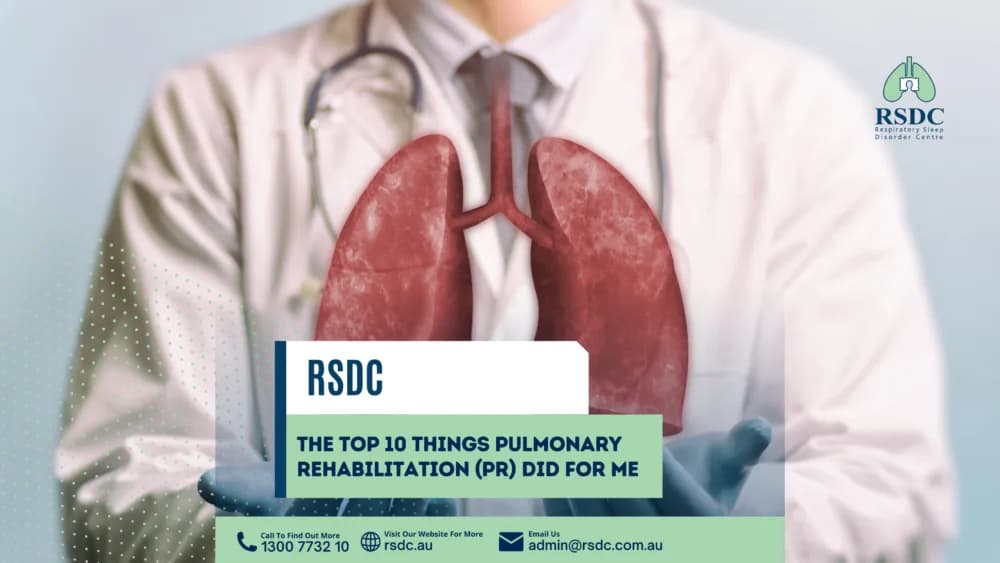
The Top 10 things Pulmonary Rehabilitation (PR) did for me
2 分钟阅读
相关文章
 新闻
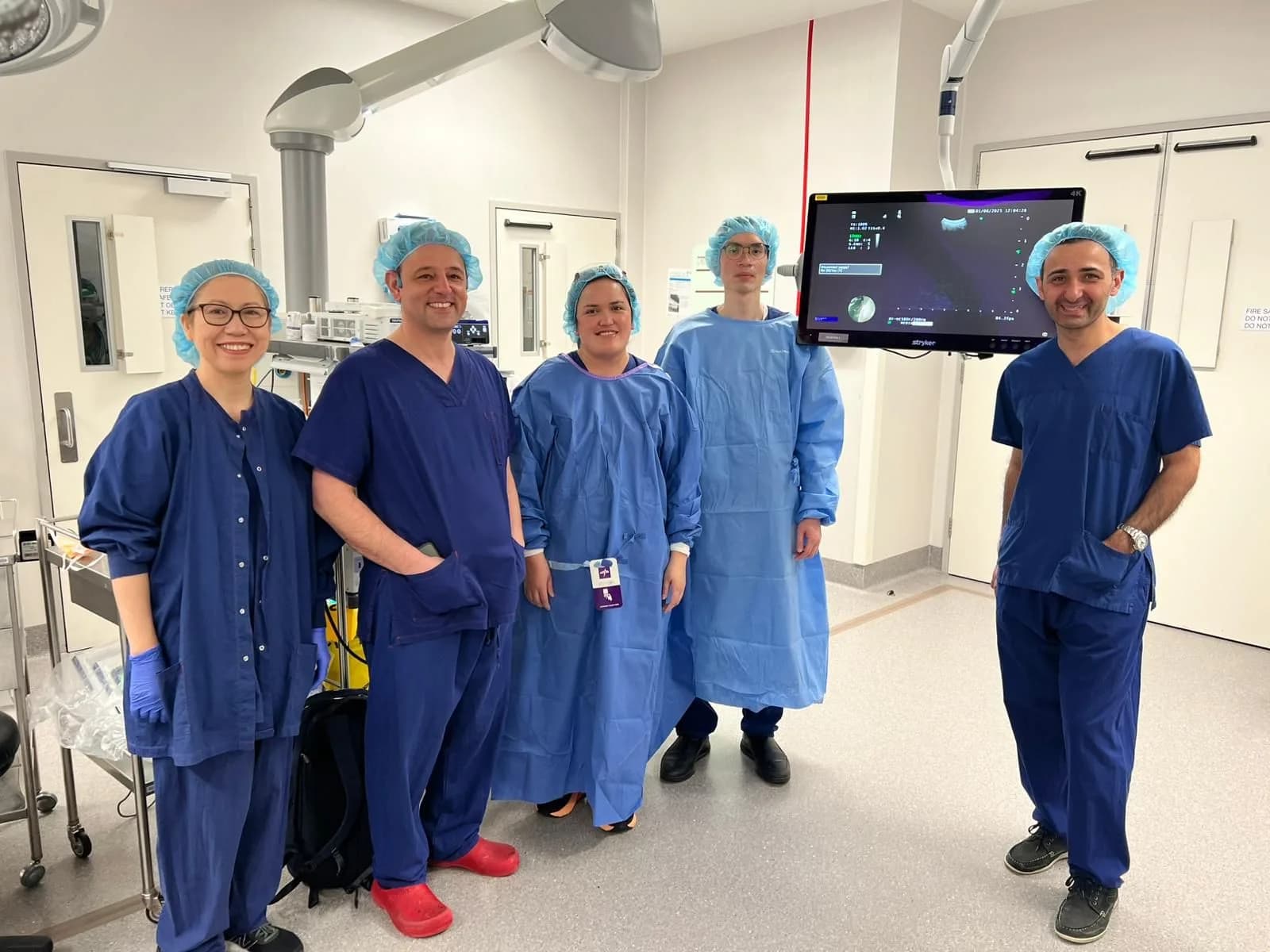
EBUS Bronchoscopy at Knox Private Hospital: A New Era for Lung Cancer Diagnosis in Melbourne
At the Respiratory and Sleep Disorders Clinic (RSDC), our commitment has always been to provide the highest standard of care through innovation and expertise. We are thrilled to announce a significant milestone that reinforces this commitment: our team has successfully performed the first-ever Endob
 新闻
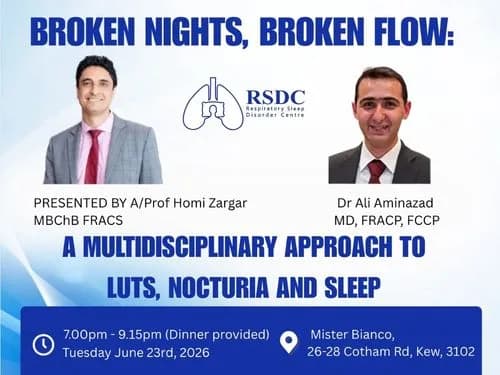
Broken Nights – Broken Flow
RSDC Educational Evening The Urology Institute Melbourne · GP360 Broken Nights, Broken Flow: A Multidisciplinary Approach to LUTS, Nocturia and Sleep A practical, GP-focused update on modern quality-of-life medicine. Tuesday, 23 June 2026 7:00 pm – 9:15 pm (Dinner provided) Mister Bianco, 26–28 Coth
 新闻
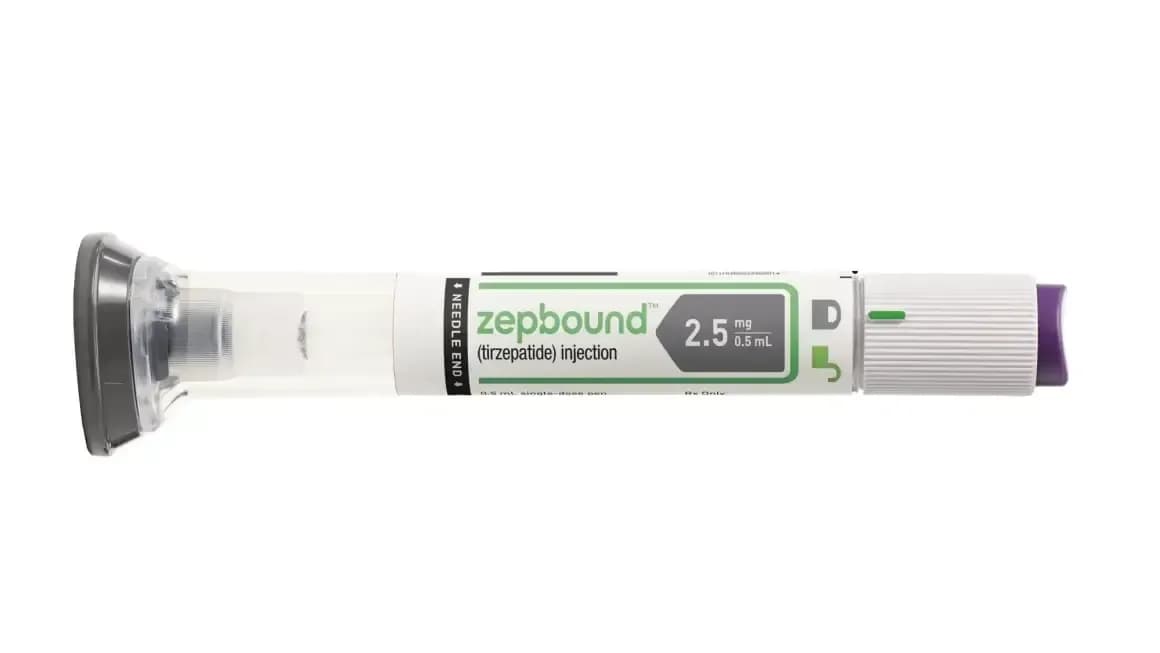
Weight loss drug Zepbound may help people with obstructive sleep apnea
The weight loss drug Zepbound also seems to help with sleep apnea, according to drugmaker Eli Lilly. Eli Lilly and CompanyCNN — Zepbound, a popular weight loss drug, also seems to help people with obstructive sleep apnea, drugmaker Eli Lilly said Wednesday. Based on results from trials in people wit