

What Is Obstructive Sleep Apnoea (OSA)?
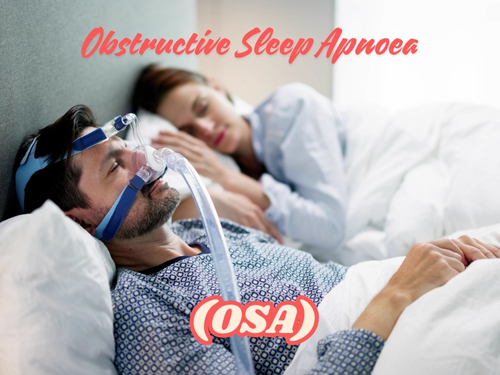
Finding the right obstructive sleep apnoea treatment CPAP and other options starts with understanding what OSA actually is: a common sleep disorder in which the muscles at the back of the throat relax too much during sleep, causing the airway to narrow or close completely. This leads to repeated pauses in breathing (apnoeas), drops in blood oxygen, and brief arousals that fragment sleep — often without the person realising it. Left unmanaged, OSA can affect both long-term health and day-to-day quality of life.
Common Signs and Symptoms of OSA
OSA doesn’t always look the same from person to person, but common warning signs include:
- Loud, chronic snoring
- Witnessed pauses in breathing during sleep, often noticed by a partner
- Waking up gasping or choking
- Morning headaches and a dry mouth or sore throat on waking
- Excessive daytime sleepiness, even after a full night in bed
- Difficulty concentrating or memory problems
- Irritability or low mood
If several of these sound familiar, our Epworth Sleepiness Scale is a quick, free way to check how your daytime sleepiness compares to normal levels.
What Causes Obstructive Sleep Apnoea?
A number of factors can increase the risk of developing OSA, including:
- Being overweight or having a larger neck circumference
- Enlarged tonsils or adenoids
- Chronic nasal congestion or a deviated septum
- A family history of sleep apnoea
- Smoking, and regular alcohol or sedative use
- Increasing age, and the natural shape and structure of the jaw and airway
Risks Associated with Obstructive Sleep Apnoea
Untreated OSA can lead to several health complications, including:
- High blood pressure
- Heart attack
- Stroke
- Type 2 diabetes
- Depression and low mood
- Increased risk of motor vehicle accidents linked to daytime sleepiness
How Is OSA Diagnosed?
To determine if you have OSA, our physicians may recommend:
- Home-Based Sleep Study – a convenient way to monitor sleep patterns, breathing and oxygen levels from your own bed.
- In-Laboratory Sleep Study – a more detailed, supervised evaluation conducted in a sleep clinic.
Both approaches record your breathing, heart rate and oxygen levels overnight, and the results are reviewed by one of our sleep physicians to reach an accurate diagnosis. You can read more about the diagnosis process, or book a sleep apnoea assessment in Melbourne, or go straight to our sleep study request form.
Treatment Options for Obstructive Sleep Apnoea
OSA is generally managed rather than cured outright, but the right obstructive sleep apnoea treatment can make a significant difference to sleep quality and long-term health. According to the Sleep Health Foundation, CPAP therapy remains the most effective first-line option for moderate to severe OSA. Treatment options include:
- CPAP therapy – the most effective and widely used treatment, keeping the airway open with gentle air pressure overnight.
- Lifestyle changes – weight management, reducing alcohol intake, and avoiding sleeping on your back can all help reduce severity.
- Oral appliances – custom-fitted dental devices that help keep the airway open, suitable for some milder cases.
- Ongoing review – ongoing support from our team to make sure your treatment is working and comfortable long-term.
Frequently Asked Questions About Obstructive Sleep Apnoea
Can obstructive sleep apnoea be cured?
In most cases OSA is managed rather than permanently cured. CPAP therapy and lifestyle changes are highly effective at controlling symptoms and reducing health risks when used consistently.
Is snoring always a sign of OSA?
Not necessarily — many people snore without having sleep apnoea. However, loud, persistent snoring combined with witnessed breathing pauses or daytime sleepiness is worth having assessed.
How is the severity of OSA measured?
Severity is measured using the Apnoea-Hypopnoea Index (AHI) from a sleep study, which counts how many breathing interruptions occur per hour of sleep, and is categorised as mild, moderate or severe.
Do I need a GP referral to get tested for OSA in Melbourne?
Contact our team and we can guide you through the referral and booking process for your initial consultation.
Get Tested for Sleep Apnoea in Melbourne
If you recognise these symptoms in yourself or a loved one, don’t wait to get answers about obstructive sleep apnoea treatment CPAP and other options. Book a sleep apnoea assessment with RSDC in Melbourne, or contact us to discuss the best next step for your situation.
About Us
At RSDC we have a particular interest in quick approach and triaging patients with suspected lung malignancy, management of pleural diseases, sleep disorders of obstructive sleep apnoea and other more complex sleep disorders, airways disease including asthma and COPD.
We use a comprehensive approach to interstitial lung disease in addition to occupational and environmental lung disease.